





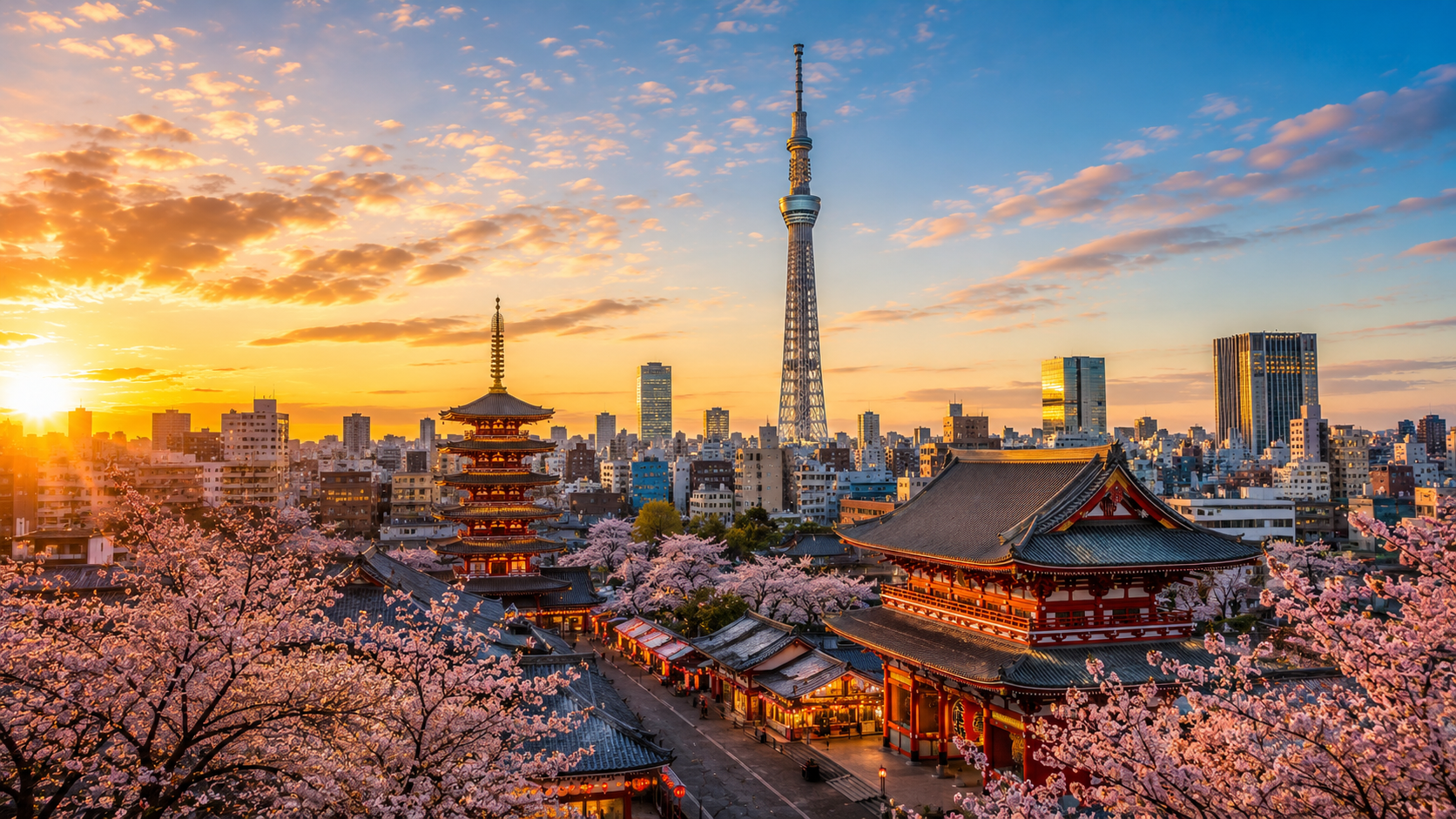
Tokyo is a city where centuries-old traditions blend seamlessly with cutting-edge technology. Japan’s bustling capital is famous for its vibrant neighborhoods, historic temples, world-class cuisine, and endless entertainment. Whether you’re a first-time visitor or returning to explore more of the city, Tokyo offers unforgettable experiences around every corner. From iconic landmarks and peaceful gardens to hidden alleys filled with authentic local eateries, this dynamic metropolis has something for every traveler. This guide highlights Tokyo’s top attractions, delicious food experiences, and lesser-known gems to help you plan an unforgettable journey.
Destination Overview
Tokyo is located on the eastern coast of Japan’s main island, Honshu, and serves as the country’s political, economic, and cultural center. Originally a small fishing village known as Edo, it grew into one of the world’s largest and most influential cities.
Today, Tokyo is celebrated for its unique mix of ancient traditions and modern innovation. Visitors can explore centuries-old shrines, futuristic skyscrapers, bustling shopping districts, peaceful gardens, and an internationally acclaimed food scene—all within the same day.
Top Attractions
Senso-ji Temple
Tokyo’s oldest temple, Senso-ji, is located in the historic Asakusa district and remains one of the city’s most visited cultural landmarks.
Why Visit
- Historic Buddhist temple
- Traditional shopping street
- Rich cultural atmosphere
Travel Tip
Visit early in the morning for a quieter experience.
Best Time to Visit
Spring and autumn.
Shibuya Crossing
Known as one of the busiest pedestrian crossings in the world, Shibuya Crossing perfectly represents Tokyo’s energetic lifestyle.
Why Visit
- Iconic city landmark
- Great photography spot
- Surrounded by shopping and restaurants
Travel Tip
View the crossing from an elevated café for the best perspective.
Best Time to Visit
Evening.
Tokyo Skytree
Standing at 634 meters, Tokyo Skytree offers panoramic views of the city and is one of Japan’s tallest structures.
Why Visit
- Incredible observation decks
- Shopping and dining
- Spectacular skyline views
Travel Tip
Book tickets in advance during busy travel seasons.
Best Time to Visit
Late afternoon for sunset views.
Meiji Jingu Shrine
Nestled within a peaceful forest near Harajuku, Meiji Jingu Shrine provides a tranquil escape from Tokyo’s busy streets.
Why Visit
- Beautiful natural surroundings
- Traditional Japanese architecture
- Cultural significance
Travel Tip
Allow time to walk through the scenic forest paths.
Best Time to Visit
Year-round.
Tsukiji Outer Market
Although the main wholesale fish market relocated, Tsukiji Outer Market remains one of Tokyo’s best places to sample authentic Japanese street food.
Why Visit
- Fresh seafood
- Traditional Japanese snacks
- Local shopping
Travel Tip
Arrive early to enjoy the freshest food and avoid crowds.
Best Time to Visit
Morning.
Shinjuku Gyoen National Garden
This spacious park combines Japanese, French, and English garden styles, making it one of Tokyo’s most relaxing green spaces.
Why Visit
- Beautiful seasonal flowers
- Peaceful walking paths
- Excellent cherry blossom viewing
Travel Tip
Bring a camera, especially during spring and autumn.
Best Time to Visit
March to April for cherry blossoms or November for autumn foliage.
Best Time to Visit
Tokyo offers unique experiences throughout the year.
- Spring (March–May): Mild temperatures and famous cherry blossoms attract visitors from around the world.
- Summer (June–August): Warm and humid weather with lively festivals and fireworks.
- Autumn (September–November): Comfortable temperatures and colorful autumn leaves make sightseeing enjoyable.
- Winter (December–February): Cool, generally dry weather with fewer crowds and seasonal illuminations.
Spring and autumn are widely considered the best times to visit due to pleasant weather and beautiful natural scenery.
How to Get Around
Tokyo’s transportation system is one of the most efficient in the world.
- Metro: Fast and convenient for reaching most attractions.
- Bus: Useful for neighborhoods not directly served by trains.
- Walking: Ideal for exploring districts like Asakusa, Ginza, and Harajuku.
- Taxi: Clean and reliable, though more expensive than public transportation.
- Ride-sharing: Limited compared to many other countries, making trains and the metro the preferred options.
Local Food to Try
Tokyo is one of the world’s top culinary destinations. Be sure to sample these local favorites:
- Sushi
- Ramen
- Tempura
- Yakitori
- Okonomiyaki
- Matcha desserts
From casual street stalls to Michelin-starred restaurants, Tokyo offers dining experiences for every budget.
Travel Tips
- Purchase a rechargeable transit card for convenient travel.
- Carry cash, as some smaller businesses may not accept cards.
- Respect local etiquette on public transportation.
- Wear comfortable shoes for walking.
- Dispose of trash responsibly using designated bins.
- Learn a few basic Japanese greetings.
- Visit popular attractions early to avoid crowds.
- Stay connected with portable Wi-Fi or an eSIM.
- Follow local customs when visiting temples and shrines.
- Check official attraction websites for the latest opening hours, admission policies, and visitor information before your visit.
Conclusion
Tokyo is a destination that combines timeless traditions with modern innovation, offering unforgettable experiences for every traveler. Whether you’re exploring ancient temples, enjoying world-famous Japanese cuisine, shopping in vibrant neighborhoods, or discovering peaceful gardens, every corner of the city reveals something unique. Plan your itinerary carefully, embrace the local culture, and take time to explore both Tokyo’s famous landmarks and its hidden gems. A visit to Japan’s remarkable capital promises memories that will last a lifetime.