


The world of sports is evolving faster than ever—and it’s not just about training harder anymore. Today, athletes are training smarter, powered by cutting-edge technology and innovative gear. From AI-driven performance tracking to ultra-lightweight materials, next-gen sports equipment is redefining what it means to compete.
Whether you’re a professional athlete, a fitness enthusiast, or someone just starting out, understanding these trends can give you a serious edge. Let’s explore the next-gen sports equipment trends every athlete should know in 2026—and how you can use them to improve your performance.
Why Next-Gen Sports Equipment Matters
Gone are the days when equipment was just a tool. Now, it’s a performance partner.
Modern sports gear helps you:
- Track and improve performance
- Prevent injuries
- Train more efficiently
- Optimize recovery
In short, the right equipment can be the difference between average and exceptional.
Top Next-Gen Sports Equipment Trends in 2026
1. Smart Wearables & AI-Powered Tracking
Wearable technology is leading the revolution in sports performance.
What It Includes:
- Smartwatches with advanced fitness metrics
- Heart rate monitors with real-time feedback
- AI-powered training apps
Real-World Use Case:
Runners can now monitor pace, stride length, and fatigue levels in real time—allowing them to adjust instantly for better results.
Why It Matters:
Data-driven training eliminates guesswork and helps athletes make smarter decisions.
2. Personalized Equipment Through Data
Customization is no longer a luxury—it’s becoming the standard.
Examples:
- Shoes designed based on your gait analysis
- Custom-fitted protective gear
- Equipment tailored to your body mechanics
Practical Insight:
Athletes using personalized gear often experience better comfort, improved performance, and fewer injuries.
3. Lightweight & High-Performance Materials
Modern materials are changing how equipment feels and performs.
Trending Materials:
- Carbon fiber
- Advanced mesh fabrics
- Impact-resistant composites
Benefits:
- Reduced fatigue
- Increased speed and agility
- Enhanced durability
4. Recovery-Focused Technology
Recovery is now just as important as training.
Popular Equipment:
- Percussion massage devices
- Compression gear
- Smart recovery boots
Real-World Example:
Athletes use recovery tools post-training to reduce muscle soreness and speed up recovery time.
5. Connected Training Ecosystems
Your gear is now part of a larger connected system.
What This Means:
- Devices sync with apps and platforms
- Coaches can monitor performance remotely
- Training programs adjust automatically
Why It’s Powerful:
You get a complete performance ecosystem, not just isolated tools.
6. Sustainable Sports Equipment
Eco-friendly gear is becoming a major trend.
Examples:
- Recycled materials in sportswear
- Biodegradable packaging
- Durable, long-lasting equipment
Why It Matters:
Athletes and brands are prioritizing sustainability without compromising performance.
How to Choose the Right Next-Gen Sports Equipment
With so many options available, making the right choice is crucial.
Step 1: Define Your Goals
Ask yourself:
- Are you training for performance, fitness, or recovery?
- What sport or activity are you focusing on?
Step 2: Focus on Functionality
Choose equipment that solves a problem or improves a specific area of performance.
Step 3: Check Compatibility
Ensure your devices and gear can connect and work together seamlessly.
Step 4: Balance Budget and Value
You don’t need the most expensive gear—focus on value and effectiveness.
Step 5: Read Reviews and Test When Possible
Real user feedback can help you avoid poor-quality products.
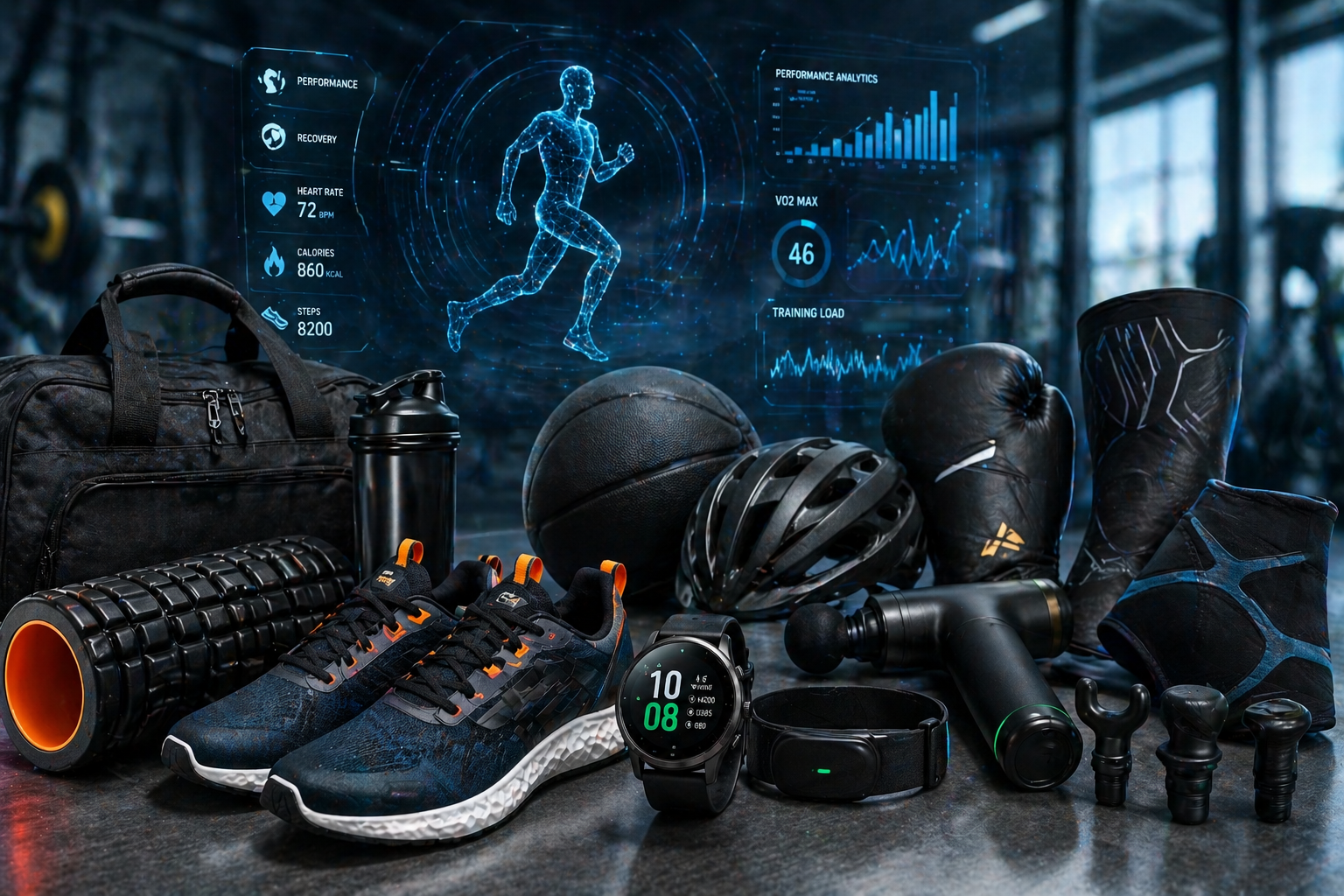
Practical Example: A Smart Athlete Setup
Let’s say you’re building a modern training setup:
- Smartwatch for tracking workouts
- Lightweight performance shoes
- Recovery device for post-training
- Training app for guided workouts
This combination creates a complete system that supports training, performance, and recovery.
Common Mistakes to Avoid
❌ Buying Based on Hype
Not all trending gear is useful for your specific needs.
❌ Ignoring Recovery Tools
Many athletes focus only on training gear and overlook recovery equipment.
❌ Overcomplicating Your Setup
Too many devices can become overwhelming. Keep it simple and effective.
❌ Skipping Research
Always understand how a product works before investing in it.
The Future of Sports Equipment
Looking ahead, next-gen sports equipment will become even more advanced:
- AI coaches providing real-time feedback
- Wearables predicting injuries before they happen
- Fully customized gear created instantly
The goal? Maximum performance with minimum risk.
Conclusion: Train Smarter, Perform Better
The rise of next-gen sports equipment is transforming how athletes train, recover, and compete. It’s no longer just about effort—it’s about using the right tools to maximize your potential.
By staying informed and choosing the right gear, you can:
- Improve performance
- Reduce injuries
- Achieve your goals faster
Call to Action:
Start upgrading your training with smart, performance-driven equipment today. The future of sports isn’t coming—it’s already here.
FAQs
1. What is next-gen sports equipment?
It refers to advanced, technology-driven gear designed to improve performance, tracking, and recovery.
2. Is smart sports equipment worth it?
Yes, especially if you want data-driven insights and improved training efficiency.
3. Do beginners need advanced sports gear?
Not necessarily. Start with essentials and upgrade as your needs grow.
4. How does AI help in sports training?
AI analyzes performance data and provides personalized recommendations for improvement.
5. What’s the biggest trend in sports equipment right now?
Smart wearables and recovery technology are leading the way in 2026.