

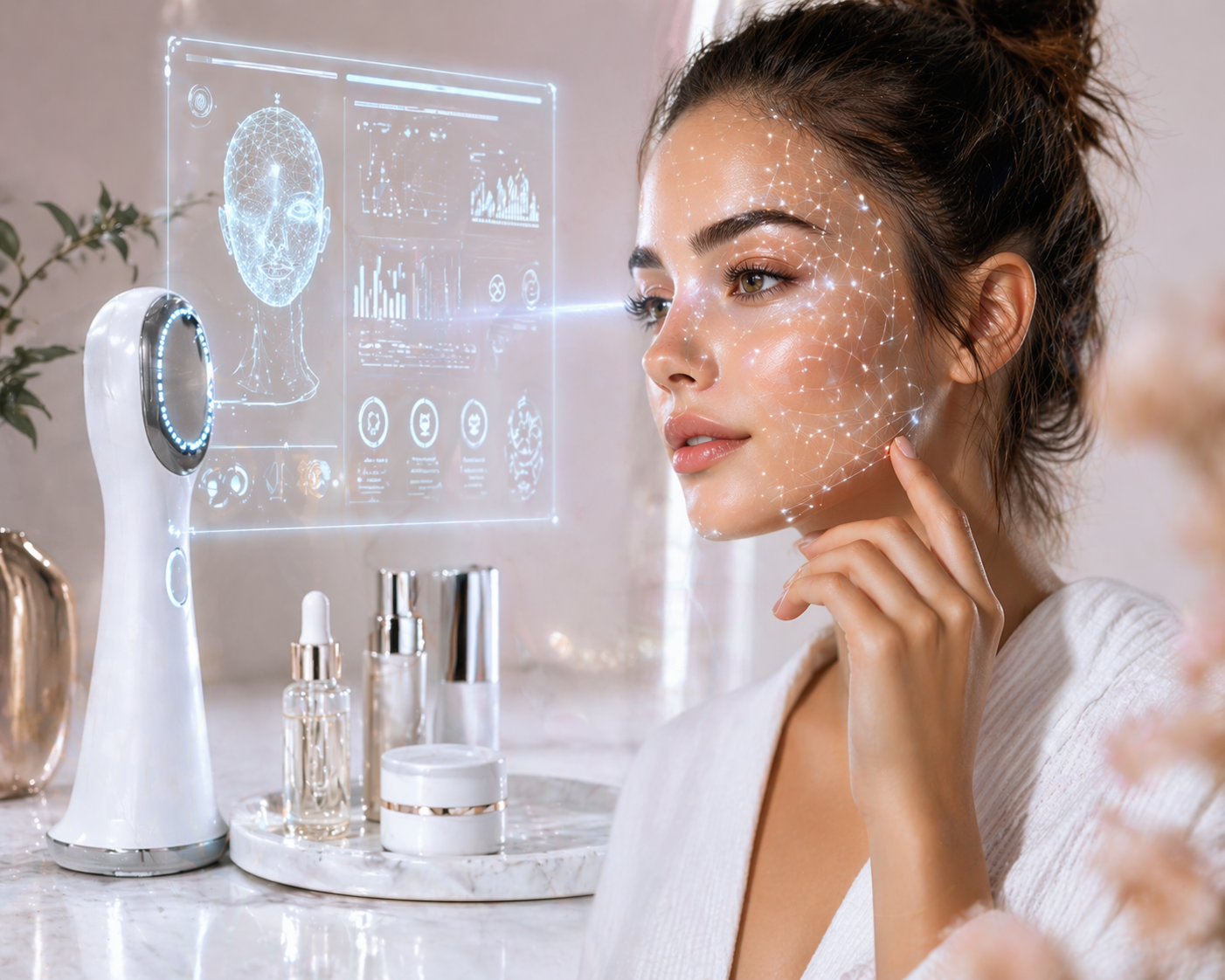
Imagine waking up, scanning your face with your phone, and instantly receiving a personalized skincare routine tailored to your skin’s exact needs—hydration levels, fine lines, pigmentation, and even future concerns. What once sounded futuristic is now becoming everyday reality.
Welcome to the new era of beauty, where AI meets skincare and technology is redefining how we understand, treat, and care for our skin. This shift isn’t just about convenience—it’s transforming the entire beauty industry, from product development to personal routines.
What Is AI in Skincare?
Artificial Intelligence (AI) in skincare refers to the use of advanced algorithms and data analysis to assess skin conditions, recommend products, and even predict future skin issues.
Instead of relying on guesswork, AI analyzes:
- Skin texture and pores
- Wrinkles and fine lines
- Dark spots and pigmentation
- Oil and moisture levels
This data-driven approach allows for hyper-personalized skincare, something traditional beauty methods could never fully achieve.
How Smart Beauty Tech Is Changing Our Faces
1. Personalized Skincare Like Never Before
One of the biggest advantages of AI skincare is personalization.
Traditional skincare often follows a trial-and-error approach. You try products, wait weeks, and hope for results. AI eliminates much of this uncertainty.
Real-World Example:
AI-powered apps scan your face and generate:
- Customized routines
- Product recommendations
- Progress tracking over time
This means your skincare evolves as your skin changes.
2. Skin Analysis at Your Fingertips
Gone are the days when you needed a dermatologist visit for basic skin analysis.
Smart beauty tools now allow you to:
- Scan your face using your smartphone
- Detect underlying skin concerns
- Monitor changes daily or weekly
These tools can even highlight issues you might not see yet, such as early signs of aging or dehydration.
3. Predictive Skincare: Fixing Problems Before They Start
AI doesn’t just analyze your current skin—it predicts future concerns.
Using data patterns, AI can forecast:
- Wrinkle development
- Sun damage effects
- Breakout patterns
This allows you to take preventive action instead of reactive treatment.
4. Smart Devices for At-Home Treatments
AI isn’t limited to apps. Smart skincare devices are becoming increasingly popular.
These include:
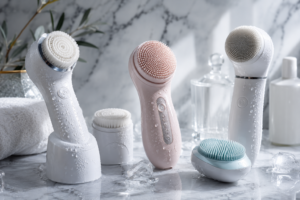
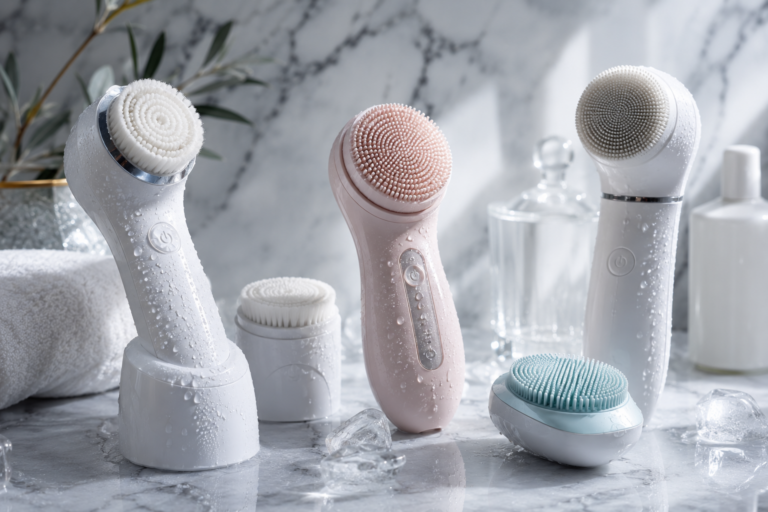
- Facial cleansing brushes with pressure sensors
- LED therapy masks
- Smart mirrors with built-in skin diagnostics
These tools bring professional-level care into your home.
Benefits of AI in Skincare
Accuracy and Precision
AI removes guesswork by using real data. This leads to more effective routines and better results.
Time and Cost Efficiency
Instead of buying multiple products that may not work, AI helps you choose what your skin actually needs.
Continuous Skin Monitoring
Your skin changes due to weather, stress, diet, and age. AI tracks these changes and adjusts recommendations accordingly.
Accessibility
People who don’t have easy access to dermatologists can now get reliable skin insights from their devices.
Are There Any Downsides?
While AI skincare is powerful, it’s not perfect.
Limitations to Consider:
- AI may not fully replace professional medical advice
- Results depend on image quality and consistency
- Some tools may promote product bias
It’s best to use AI as a guide—not a complete replacement for expert care.
How to Use AI Skincare Effectively (Step-by-Step)
Step 1: Choose a Reliable AI Tool
Look for apps or devices with good reviews and proven accuracy.
Step 2: Scan Your Skin Consistently
Use the same lighting and angles for better tracking and results.
Step 3: Follow Recommendations Gradually
Don’t introduce too many products at once. Let your skin adjust.
Step 4: Track Progress Over Time
Monitor improvements and changes instead of expecting instant results.
Step 5: Combine AI with Basic Skincare Principles
Always stick to essentials:
- Gentle cleansing
- Hydration
- Sun protection
AI enhances your routine—it doesn’t replace fundamentals.
The Future of AI in Beauty
The integration of AI in skincare is just beginning.
In the near future, we can expect:
- Real-time skin monitoring through wearable tech
- Fully customized skincare formulas created on demand
- AI-powered dermatology consultations
- Smart products that adjust based on your skin’s condition
Beauty is becoming smarter, more intuitive, and deeply personalized.
Practical Insight: Should You Switch to AI Skincare?
If you:
- Feel overwhelmed by too many skincare choices
- Struggle to find products that work
- Want a more personalized routine
Then AI skincare can be a valuable addition to your routine.
However, balance is key. Use technology to guide your decisions—but continue listening to your skin.
Conclusion: Smarter Skin Starts Here
“AI meets skincare” is more than a trend—it’s a transformation. Smart beauty tech is helping people understand their skin better, make informed decisions, and achieve healthier results without unnecessary guesswork.
The future of skincare isn’t about more products—it’s about better, smarter choices.
Call to Action:
Start exploring AI-powered skincare tools and take control of your routine with data-driven confidence. Your skin deserves solutions that are as unique as you are.
FAQs
1. Is AI skincare safe to use?
Yes, most AI skincare tools are safe, especially apps and non-invasive devices. However, they should not replace medical advice for serious skin conditions.
2. Can AI replace dermatologists?
No. AI is a helpful tool, but dermatologists provide expert diagnosis and treatment that AI cannot fully replicate.
3. Do AI skincare apps really work?
They can be effective for analysis and recommendations, especially when used consistently and correctly.
4. Is AI skincare expensive?
Some tools are affordable, like mobile apps, while advanced devices can be more costly. There are options for different budgets.
5. What’s the biggest benefit of AI in skincare?
Personalization. AI helps tailor routines specifically to your skin’s needs, improving results over time.